What Happens When Boat Lift Pulleys Are Poorly Matched to Your Lift
Protect Your Boat by Choosing the Right Pulleys
Boat lift pulleys are easy to ignore until something goes wrong. Many lakefront owners do not notice them until a cable starts to fray, the lift jams halfway up, or the winch feels twice as hard to turn right when they want to get the boat out of the water.
Those small wheels are the hidden gears of your lift. When they are poorly matched to your system in size, material, or load rating, they quietly wear out cables, strain winches, and stress the lift frame. That leads to safety risks, surprise repairs, and a shorter life for your whole setup.
In this article, we will walk through what happens when boat lift pulleys are not correctly matched, how to spot warning signs before storage season, and what to look for in quality, well-matched pulleys so your lift runs smoother for years.
Why Boat Lift Pulleys Must Match the System
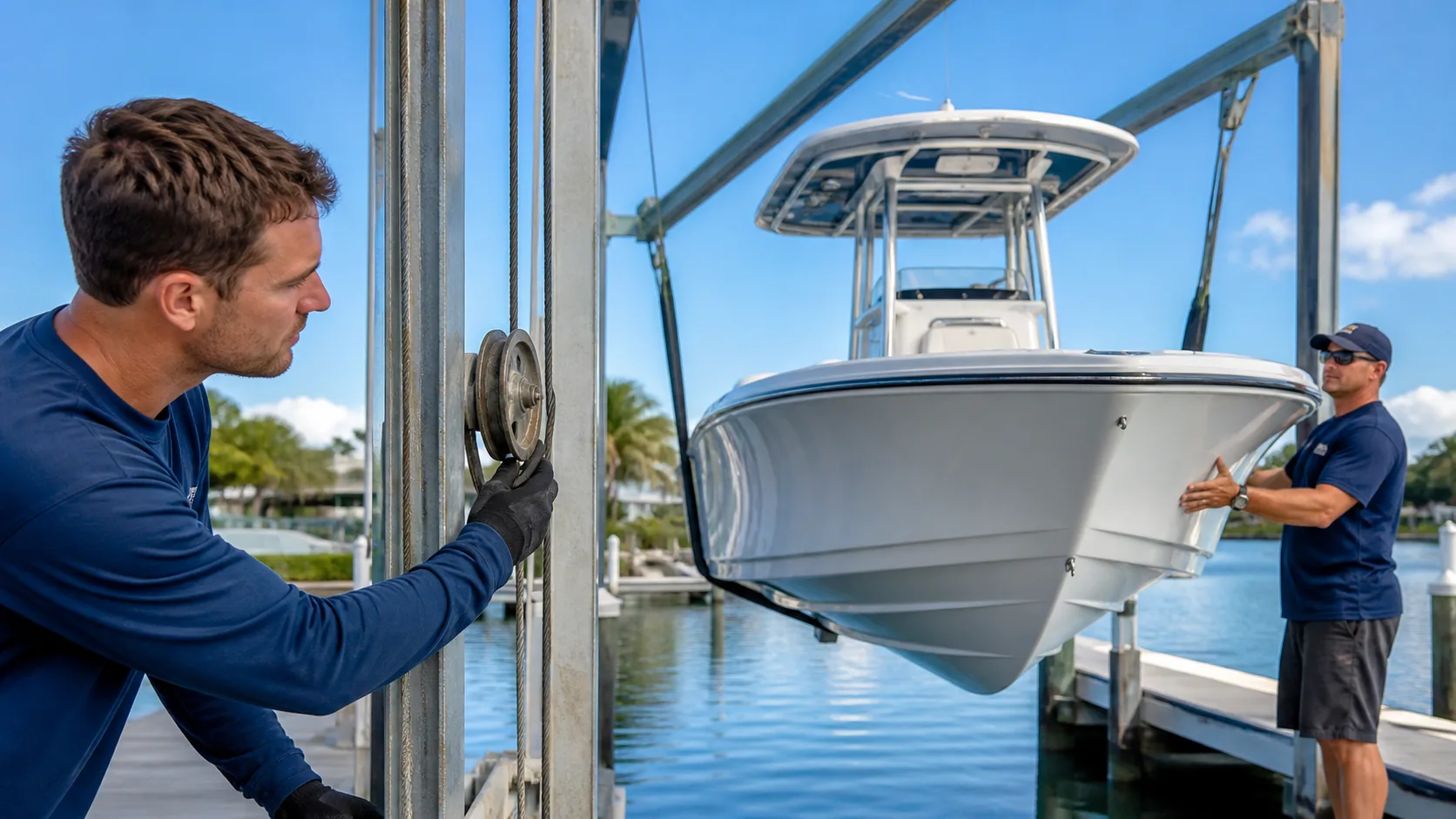
A boat lift is not just a winch and some cable. It is a complete mechanical system. The pulleys guide the cable, share the load, and keep the cradle lifting level. When one part is off, the whole system feels it.
A properly matched pulley fits the lift design in several ways:
- Correct diameter for the cable size
- Groove shape that supports the cable without pinching
- Adequate load rating for the boat and lift style
- Alignment with the frame and cradle so the cable runs straight
Manufacturers design all of this to work together. When someone swaps parts, things can go wrong. Common mismatch mistakes include:
- Using generic hardware-store pulleys that were never meant for boat lift loads
- Mixing aluminum and steel pulleys on the same lift, which changes wear patterns and corrosion behavior
- Swapping to smaller pulleys to save space or make a quick fix, which tightens cable bends and increases stress
Any of these changes can alter load paths, increase friction, and throw off how evenly the lift raises the boat.
Hidden Damage From Undersized or Incorrect Pulleys
The worst damage from mismatched pulleys often happens slowly. You may not spot it right away, but it builds with every lift and lower.
Cable problems are usually the first sign. Too-small or wrong-groove pulleys force the cable to bend sharply over the sheave. Over time, this can cause:
- Strand separation or little wires poking out
- Kinking near the pulleys
- Flat spots where the cable sits in the wrong groove shape
- Faster corrosion as the damaged areas trap water and grit
As temperatures drop and the water gets colder, stiff cables move less smoothly, which only makes this wear worse.
Your winch or motor feels this too. Mismatched pulleys add friction and uneven loading, so the winch has to work harder. That leads to:
- Handles that feel heavier to crank than they used to
- Electric motors that get hot or sound strained
- Shorter life for gears, bearings, and drive parts
The lift frame can also suffer. If pulleys are not the right size or are set in the wrong place, the cable may pull at an odd angle. That can twist uprights, pull the cradle out of square, and create uneven lifting. Over time, that stress can:
- Bend beams or crossbars
- Deform bunks so they no longer support the hull or pontoons evenly
- Misalign support points under pontoons or personal watercraft
None of this happens overnight, but eventually something gives.
Safety Risks You May Not See Until It Is Too Late
When cable damage, winch strain, and frame stress all stack up, safety becomes the big concern. A frayed cable may hold for a while, then let go without much warning. A pulley with a worn or seized bearing can grab and release, causing jerky movement or a sudden drop of a few inches or more.
Those small drops can still cause:
- Hull damage when the boat shifts on the bunks
- Dock damage if the boat swings into posts or decking
- Injury risk if someone is on the boat or standing in the wrong place
Seasonal use can increase the danger. During fall pull-out or early spring launch, water is colder and surfaces are slick. Owners often raise boats higher for storage, and might be in a hurry between weather changes. Extra height and extra load on a weak pulley or cable raise the stakes.
There is also a long-term cost side. A pulley that fails because it was never rated or designed for your lift can turn a simple pulley swap into:
- Structural repairs to the lift
- Hull or pontoon repairs after a drop or shift
- Questions from insurance providers about non-factory modifications or improper parts
All of this can start with a single pulley that did not match the system.
How to Spot Poorly Matched Pulleys on Your Lift
The good news is that many pulley issues are visible if you know where to look. A careful walk around your lift can reveal a lot.
Watch for visual red flags like:
- Cables riding high or low in the pulley groove, instead of centered
- Flattened sections or birdcaging of cable near pulleys
- Rust, pitting, or sharp edges on the sheave surface
- Pulleys that wobble on their axle or do not spin freely when the boat moves
Performance clues show up when you raise and lower the boat:
- Uneven lifting front to back or side to side
- Loud squeaks, grinding, or clunking sounds from overhead or corner pulleys
- Jerky motion instead of smooth travel
- Needing more cranks on the handle than last season for the same boat
Age and past quick fixes matter too. If you bought the property with an existing lift, or if different people have done repairs over the years, there may be a mix of parts on the system. It is worth asking:
- Do all pulleys look like the same style and material?
- Are any clearly off-brand or from a hardware store?
- Has the boat gotten heavier, for example moving from a small runabout to a larger pontoon or wake boat?
If the lift use changed but the pulleys did not, they may no longer be a safe match for the current load.
Choosing the Right Pulleys for a Smoother Season
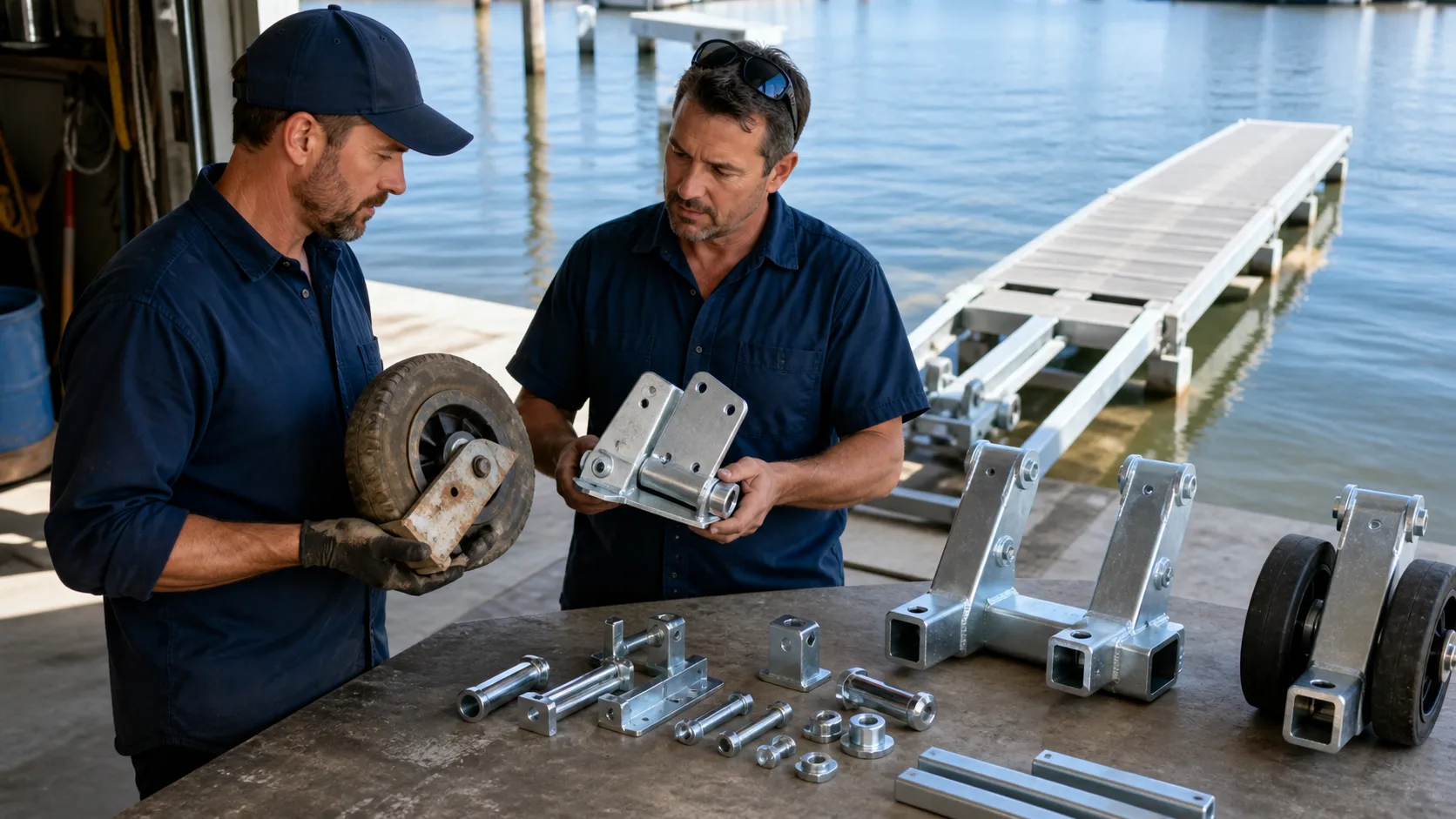
When it is time to replace pulleys, matching them only to the cable size is not enough. The safest choice is to follow the lift manufacturer’s specifications or work with a trusted dock and lift builder that understands full system design, like our team at Vibo Marine here in North Branch, Minnesota.
A good pulley choice should fit:
- The lift model and original layout
- The correct cable size and groove profile
- The weight and style of boat you run now, not years ago
Environment and usage matter as well. Freshwater lakes, brackish water, and river systems can each treat materials differently. Heavier pontoons and wake boats put more stress on pulleys and bearings than smaller craft. Frequent weekend use adds many more lift cycles each season, so bearing quality becomes more important.
Fall haul-out is a great time to plan upgrades. While the boat is already on the lift or just after you remove it, you can:
- Inspect every pulley for wear or mismatch
- Replace questionable pulleys in sets so the system stays balanced
- Check cable routing and seating in the grooves as you re-tension the system
A little time spent now can mean a smoother, safer spring launch with far fewer surprises.
Give Your Boat Lift a Pulley Checkup Before Next Season
Poorly matched boat lift pulleys do more than squeak. They wear out cables, strain winches and motors, bend frames, and create real safety hazards. Because they sit quietly at the corners and overhead, it is easy to forget about them until something fails at a bad moment.
A simple pulley checkup each year can protect your boat and your lift. Walk around your system and:
- Look closely at how every cable sits in every pulley groove
- Spin pulleys by hand where you can and listen while lifting for rough or noisy bearings
- Watch for uneven lifting or extra effort at the winch
- Check for rust, cracks, flat spots, or any wobble in the sheaves
- Note any parts that do not match the others in style, material, or mounting
At Vibo Marine, we design and build dock and lift systems as complete packages, including properly matched boat lift pulleys that work with the frame, winch, and cable layout. If anything in your pulley system looks questionable, it is worth getting expert eyes on it so your shoreline setup stays safer, smoother, and easier to use season after season.
Get Started With Your Project Today
If you are ready to upgrade your lift hardware, we can help you choose the right boat lift pulleys for your setup and shoreline conditions. At Vibo Marine, we focus on durable, easy-to-maintain solutions that keep your boat protected season after season. Tell us about your lift, your water level changes, and your typical usage so we can recommend the best configuration. Have questions or want a custom recommendation today, just contact us and our team will walk you through the options.