Maximizing Lakefront Space with Aluminum Boat Dock Sections
Transforming Your Shoreline Before Summer Hits
Planning your dock before the water warms up is one of the smartest things you can do for your lake place. As the ice starts to move out and the shoreline opens up, it is the perfect time to think about how you actually use that space and how you wish it worked.
Aluminum boat dock sections make it easier to turn a narrow or awkward shoreline into a clean, useful layout. With the right setup, you get more room for chairs, fishing, loading, and swimming without making your dock look crowded or clunky. You also cut down on the work it takes to put the dock in and pull it out each season.
At our shop in North Branch, Minnesota, we work with lake homeowners across the Upper Midwest who want their dock to fit both their shoreline and their budget. We help design layouts that match each family’s boats, lifts, and favorite lake activities, using aluminum dock sections that can be adjusted, expanded, and re-shaped as needs change.
Why Aluminum Dock Sections Make the Most of Limited Space
When you are working with a small lot or a tight bay, every square foot counts. Aluminum boat dock sections help you get more use out of your space because they are strong yet light, so you do not need a forest of posts or heavy supports to keep things sturdy.
Here is how aluminum sections help you stretch your lakefront:
- Longer runs with fewer legs or supports
- Wide walking surfaces that still feel light and open
- Sections that are simple to move, reconfigure, or add on later
- Strength without bulky bracing or big beams underfoot
Because aluminum resists corrosion and does not warp like wood, you can keep your design cleaner and more open. You do not have to oversize everything just to fight rot or rust. That matters a lot where winter ice, spring thaw, and changing water levels can be tough on shoreline equipment.
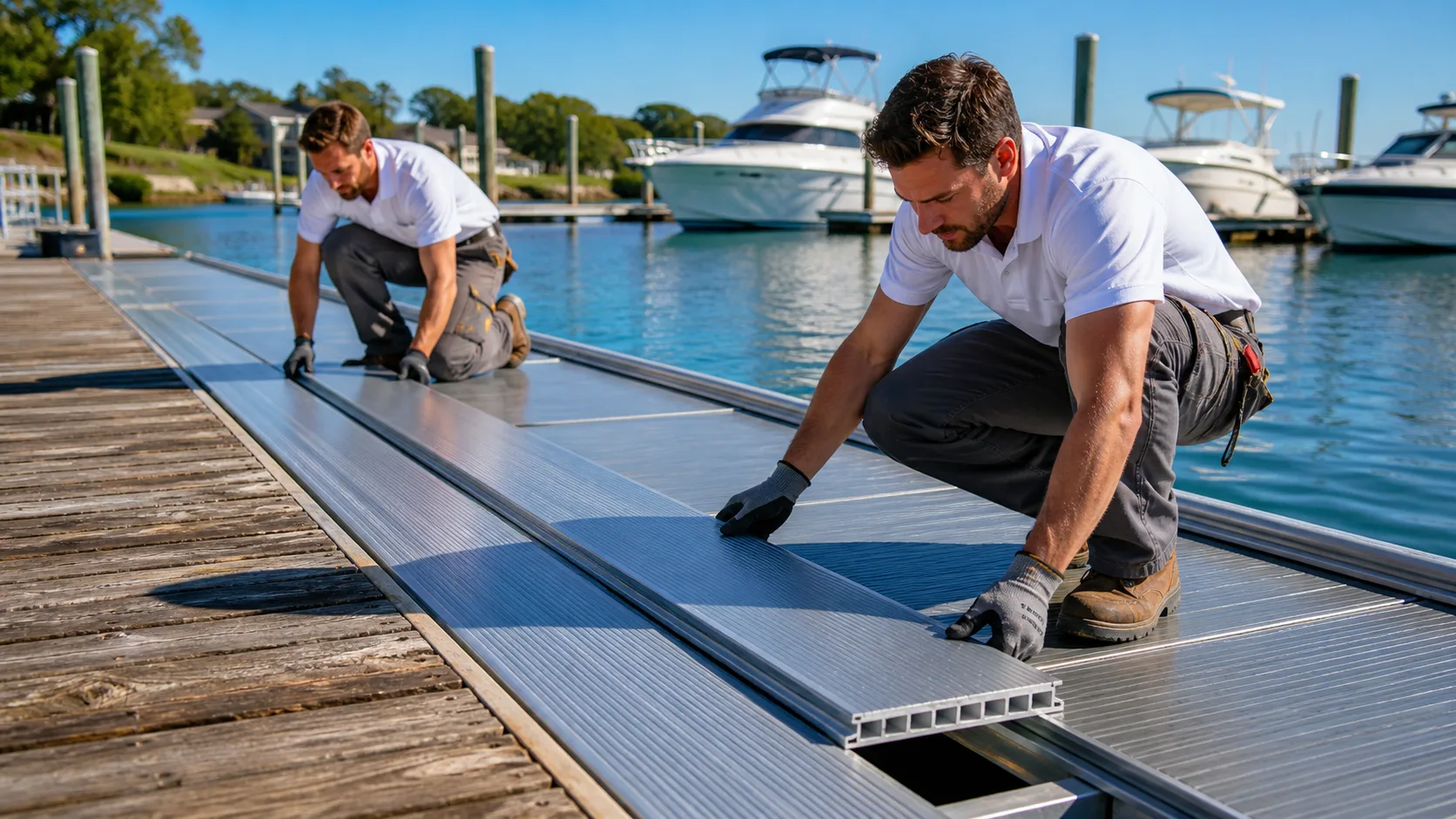
The lighter weight also pays off when it is time to install and remove your dock. Instead of needing large crews or machines, many homeowners can work with a small team and still set up longer runs, larger platforms, or extra fingers. That means you can add more length or a bigger end platform without worrying that you will regret it in the fall.
Designing Smart Layouts for Your Lakefront and Lifestyle
The layout of your dock should match both your shoreline and how you spend time at the lake. With modular aluminum boat dock sections, you can mix and match shapes to fit the space you have.
Some common layout styles include:
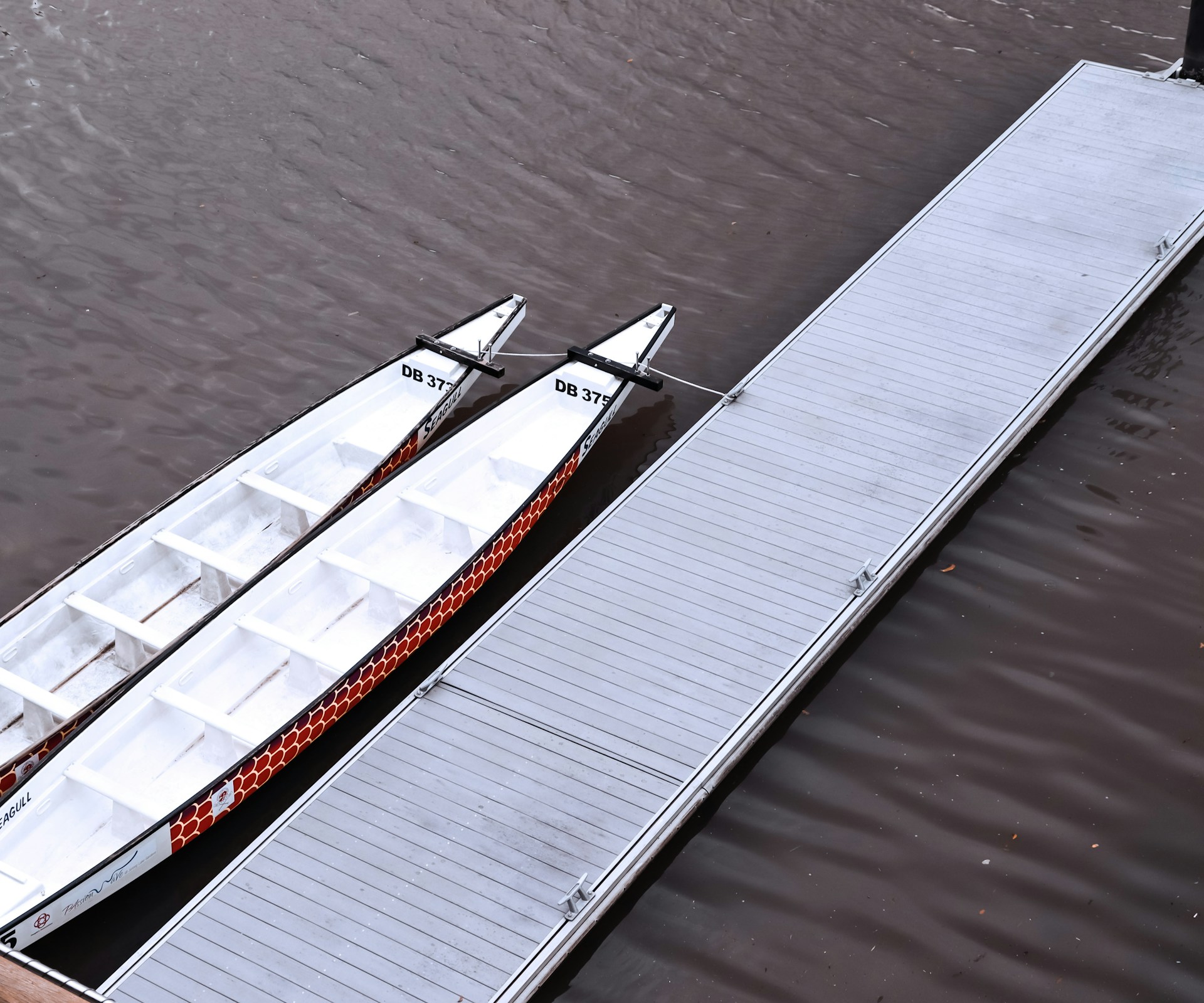
- Straight runs for narrow lots or channels
- L-shapes for side parking a boat with room to walk
- U-shapes for sheltered parking and easy loading
- T-end platforms that create a big hangout spot at the end
Many families like to add a “fishing corner” or small bump-out where someone can cast without blocking the main walking lane. Others prefer a clean, wide platform at the end for chairs, a ladder, and room for kids to jump in.
Your shoreline conditions guide which system makes the most sense:
- Roll-in docks: Great where the lake bottom is firm and slopes gently. These work well when you want to wheel the dock in and out each season.
- Sectional docks: A good fit where you need to carry pieces in, deal with uneven or soft lakebeds, or step around obstacles near shore.
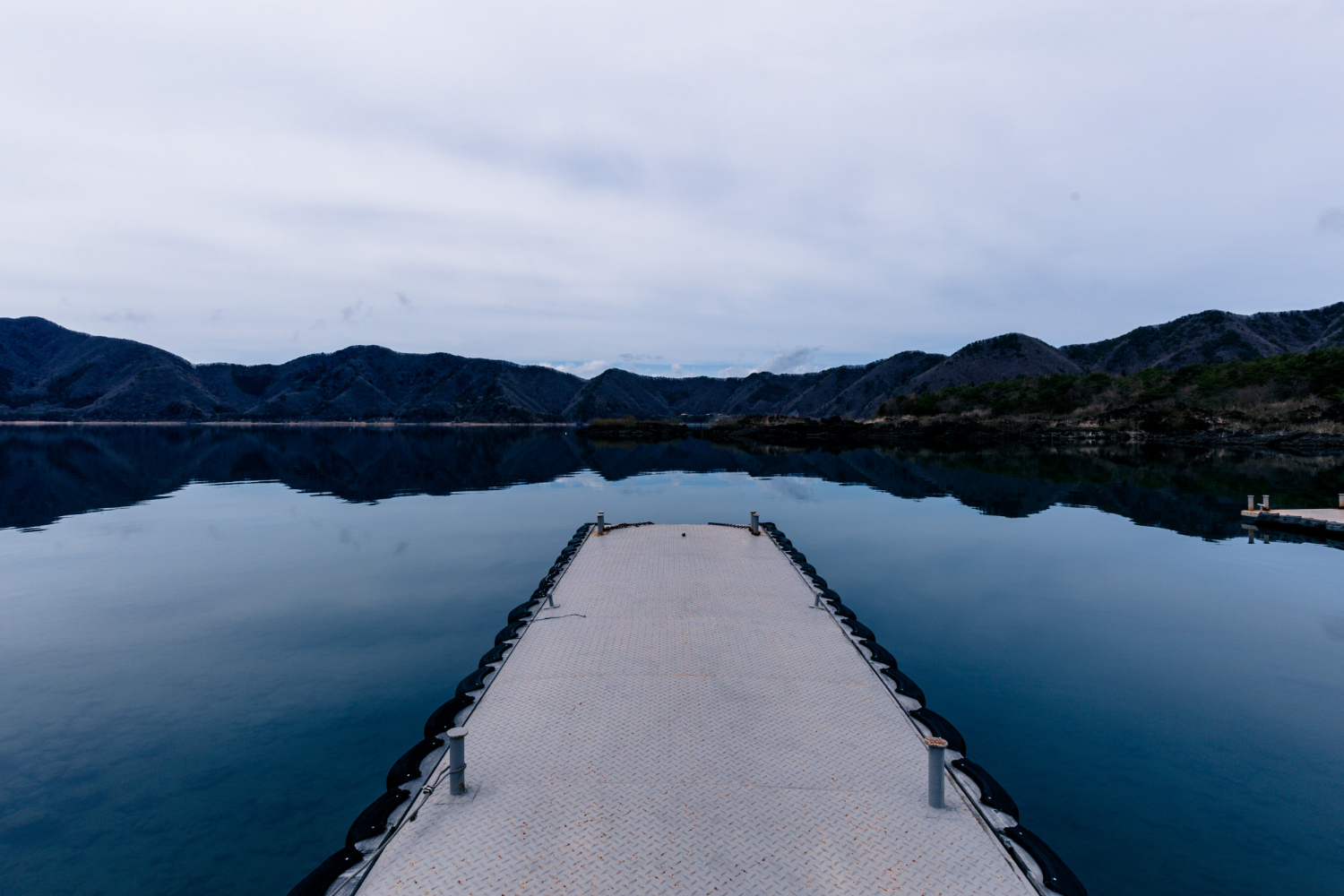
- Floating docks: Handy where water is deeper close to shore or levels change a lot, because the dock moves with the water.
Different homeowners also have different wish lists. A family that loves swimming might want:
- A wide end platform with a ladder
- A safe, open walking path with no sharp corners
- Space for chairs and a small table
Someone who fishes may focus on:
- Stable corners to cast from
- Clear spots for rod holders
- Less boat traffic in the main fishing area
Pontoon owners often focus on:
- Side-access space for easy loading
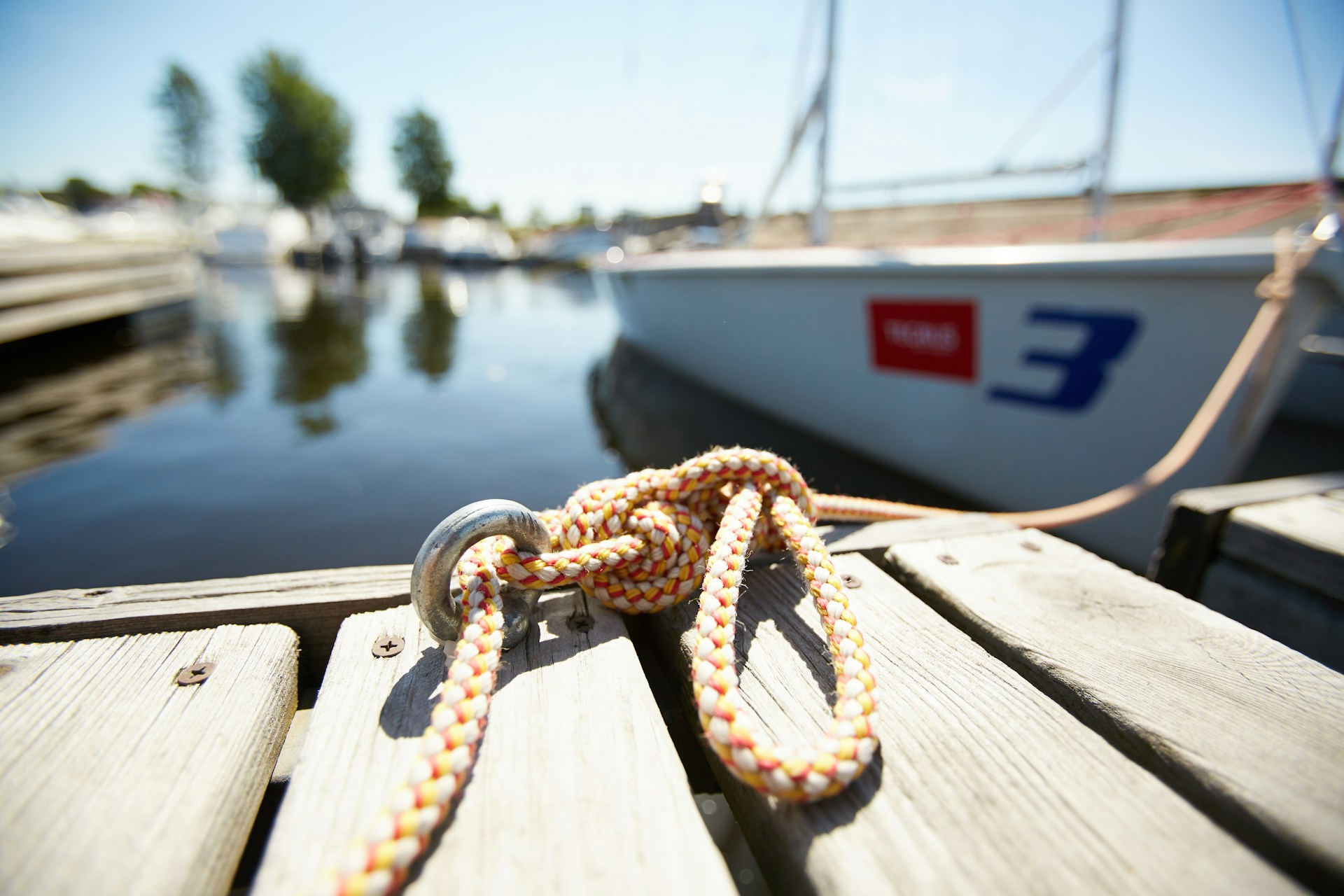
- Enough room to tie up without hitting lifts or benches
- Clear walkways around the boat for docking and undocking
Aluminum sections help with all of these because they connect in many patterns, so the dock can grow and change as your needs do.
Matching Dock Sections to Boats, Lifts, and Accessories
Your dock layout should work smoothly with your boat lifts and watercraft, not fight them. When we plan aluminum boat dock sections, we start with the boats you have now and what you might add later.
Key things to think about:
- Boat style and size, such as runabout, fishing boat, pontoon, or personal watercraft
- Type of lift, like vertical or cantilever, and how high it needs to raise
- How many craft you want to keep on the dock at once
The sections around your lift should create easy, safe access for loading gear and stepping on and off. Often that means a finger dock or side platform that runs alongside the boat, giving you a full-length walkway instead of a small landing spot.
Accessories can add comfort without making the dock feel crowded if they are placed with a plan. For example:
- Benches placed on a wider platform, not in a narrow run
- Ladders at the end or side where swimmers stay clear of boats
- Bumpers along the main parking side for quick protection
- A small side spur for kayaks or a personal watercraft
Traffic flow and safety are just as important as storage. Try to keep a clear walking lane from shore to the end platform, with:
- No trip hazards in the center of the path
- Safe step-down or step-off points near each lift
- A dedicated loading zone where people can stand without blocking others
When the dock, lifts, and accessories are planned together, your lakefront feels calm and easy to use, even on busy weekend mornings.
Seasonal Setup Tips for a Faster Spring Launch
Getting ready before the ice is fully gone helps your season start smoothly. A little early planning goes a long way with aluminum boat dock sections.
Before you order or rework your layout, it helps to:
- Check typical ice-out timing for your lake
- Take or update water depth readings at several points along your planned dock line
- Sketch a simple layout that shows boats, lifts, and any platforms you want
When it is time to put the dock in, aluminum keeps things simpler, but having a plan still saves effort. Many homeowners find it helpful to:
- Organize sections by length on shore so you grab the right piece first
- Pre-check hardware, connectors, and leg adjustments before heading into the water
- Use roll-in frames where possible so larger runs move as a unit
Once your dock is in, aluminum makes seasonal care pretty easy. Helpful habits include:
- Quick visual checks for leg alignment after storms or high water
- Watching for loose bolts or connectors early, before they become bigger issues
- A simple rinse and basic decking check a few times per season
These small habits help your dock stay straight, safe, and sharp-looking without adding much work to your lake time.
Plan Your Custom Dock System Before the Ice Is Gone
The quiet stretch between deep winter and full-on boating season is the best time to think clearly about your lakefront. When you plan your aluminum boat dock sections early, you are ready to enjoy the first warm weekend instead of still sorting out parts and layout ideas.
At Vibo Marine, we build roll-in, sectional, and floating dock systems and matching lifts at our family-owned shop in North Branch. A simple way to get started is to measure your shoreline and water depth, make a list of your boats and lifts, and think about how you use the lake now. With that information, it becomes much easier to design aluminum dock sections that make the most of every square foot of your shoreline, from the first day the dock goes in to the last day of the season.
Get Started With Your Project Today
If you are ready to upgrade your shoreline, explore our durable, easy-to-install aluminum boat dock sections designed to fit your property and lifestyle. At Vibo Marine, we will help you choose the right configuration, accessories, and layout so your dock works the way you need it to. Reach out to our team with your questions or project details through contact us, and we will provide a clear plan and quote to move your dock project forward.