Evaluating Cedar Dock Decking for Busy Family Swim Areas
Is Cedar Dock Decking Right for Your Busy Swim Area?
Cedar dock decking has a certain pull for lake families. It looks warm, feels good under bare feet, and blends in nicely with trees and shoreline. When summer hits and kids are running down the dock, friends are tying up boats, and there is a steady stream of wet towels and lake toys, that charm has to match real performance.
If your dock is the main hangout spot all season, you need to know how cedar holds up with heavy use, not just how it looks in a brochure. At Vibo Marine, we design aluminum dock systems and offer decking options for active lake families across Minnesota, so we see what works in quiet bays and on busy, rougher shorelines. Here, we will walk through how cedar dock decking behaves in real family swim areas, how it compares to other materials, and how to decide what fits your lake life.
How Cedar Dock Decking Handles Kids, Pets, and Constant Use
For family swim zones, comfort and traction matter as much as looks. Cedar has some clear strengths here.
Barefoot comfort and traction:
- Cedar tends to stay more comfortable underfoot in the sun than many solid composite or bare metal surfaces
- The natural wood grain can give decent grip when wet, which helps kids and adults move with a little more confidence
- Over time, algae, mildew, and sunscreen buildup can make boards slick, so cleaning is important
- As boards age, the risk of splinters goes up, especially where boards dry out and crack on the surface
On a dock where kids sit, crawl, and jump all day, regular checks for raised fibers and rough spots are smart. Light sanding of trouble spots and replacing badly checked boards can keep play areas safer.
Impact resistance and wear:
- Dropped coolers, chairs dragged across the deck, and heavy water toys will leave marks faster in cedar than in harder woods or aluminum panels
- Corners and edges near ladders and tie-up posts often show wear first, with gouges, dents, and rounded edges from constant use
- Pet claws can leave light scratches in cedar, especially when the wood is dry
None of these things mean cedar fails in a busy area, but they do mean the surface will show its history. Some families love that lived-in look. Others prefer a surface that stays more uniform.
Temperature, shade, and comfort:
- In full sun, cedar usually runs cooler than darker composite or metal, which can be a big plus for tender feet
- Lighter stains or allowing cedar to weather to a soft gray tends to keep it cooler than dark finishes
- Planning seating in shaded spots and placing ladders where boards get at least some shade can keep high-traffic areas more comfortable
A thoughtful dock layout goes a long way. Good positioning of swim ladders, benches, and tie-up areas can help your cedar decking wear more evenly and stay pleasant underfoot.
Durability and Maintenance of Cedar in Swim Zones
Cedar can serve well for many seasons, but busy family use and constant splash zones speed up the clock.
Lifespan expectations on busy lakes:
- Protected bays with gentle water typically treat cedar more kindly than exposed shorelines with constant wake action
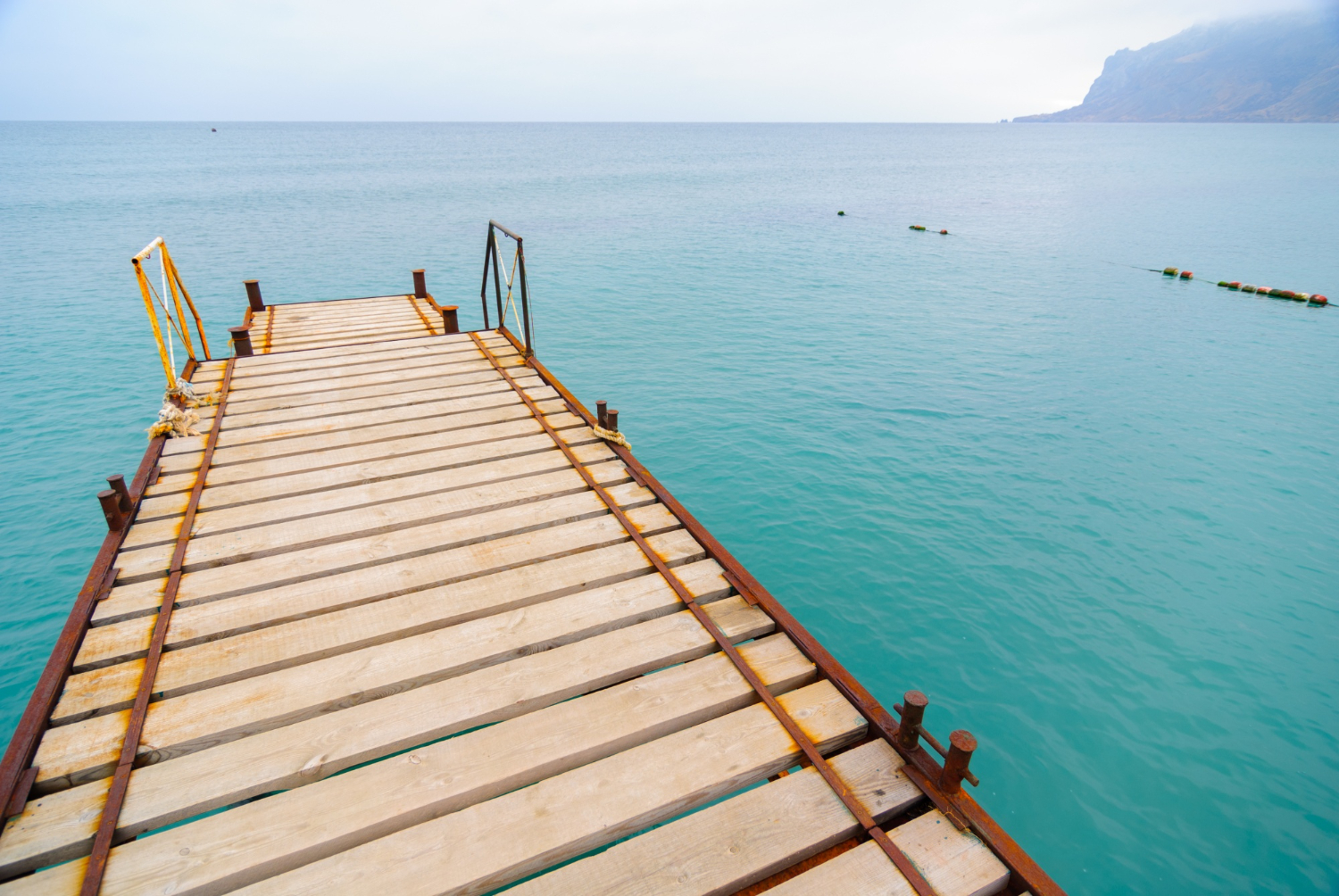
- Repeated wet-dry cycles at the waterline can lead to cupping, surface checking, and small cracks
- Wave energy and boat chop can stress both the boards and the fasteners that hold them
Early warning signs to watch for include:
- Cupped boards that do not sit flat
- Larger cracks that run along the grain
- Fasteners that are backing out or pulling through the wood
- Soft or spongy spots, especially near edges and ladder landings
Maintenance routine for families:
A simple seasonal rhythm helps keep cedar safe and good-looking without turning dock care into a second job.
- Spring: Inspect every board in key swim and loading areas, tighten or replace fasteners, and swap out any clearly damaged pieces
- Mid-summer: Rinse or gently wash the surface to remove algae, sunscreen, and organic buildup, especially where kids jump in and climb out
- Fall: Clear leaves and debris so they do not sit wet on the boards through freeze-and-thaw cycles
Sealing or staining is a personal choice.
- Clear sealers let cedar age toward gray but offer some moisture protection
- Tinted finishes keep color longer and can offer a bit more UV protection
- Any finish will need regular reapplication to do its job
Safety checks around ladders and edges:
High-use contact points deserve extra attention.
Focus on:
- Ladder landings, where wet feet hit the same boards all day
- Step transitions between dock sections
- Corners where boats and bumpers press and rub
Boards with deep cracks, soft spots, or raised fasteners should be replaced promptly. A simple checklist kept with your dock gear can make yearly safety checks quick and repeatable.
How Cedar Compares to Aluminum, Composite, and Other Options
Many families end up comparing cedar dock decking to aluminum or maintenance-free panels once their swim area gets busy.
Side-by-side performance in swim areas:
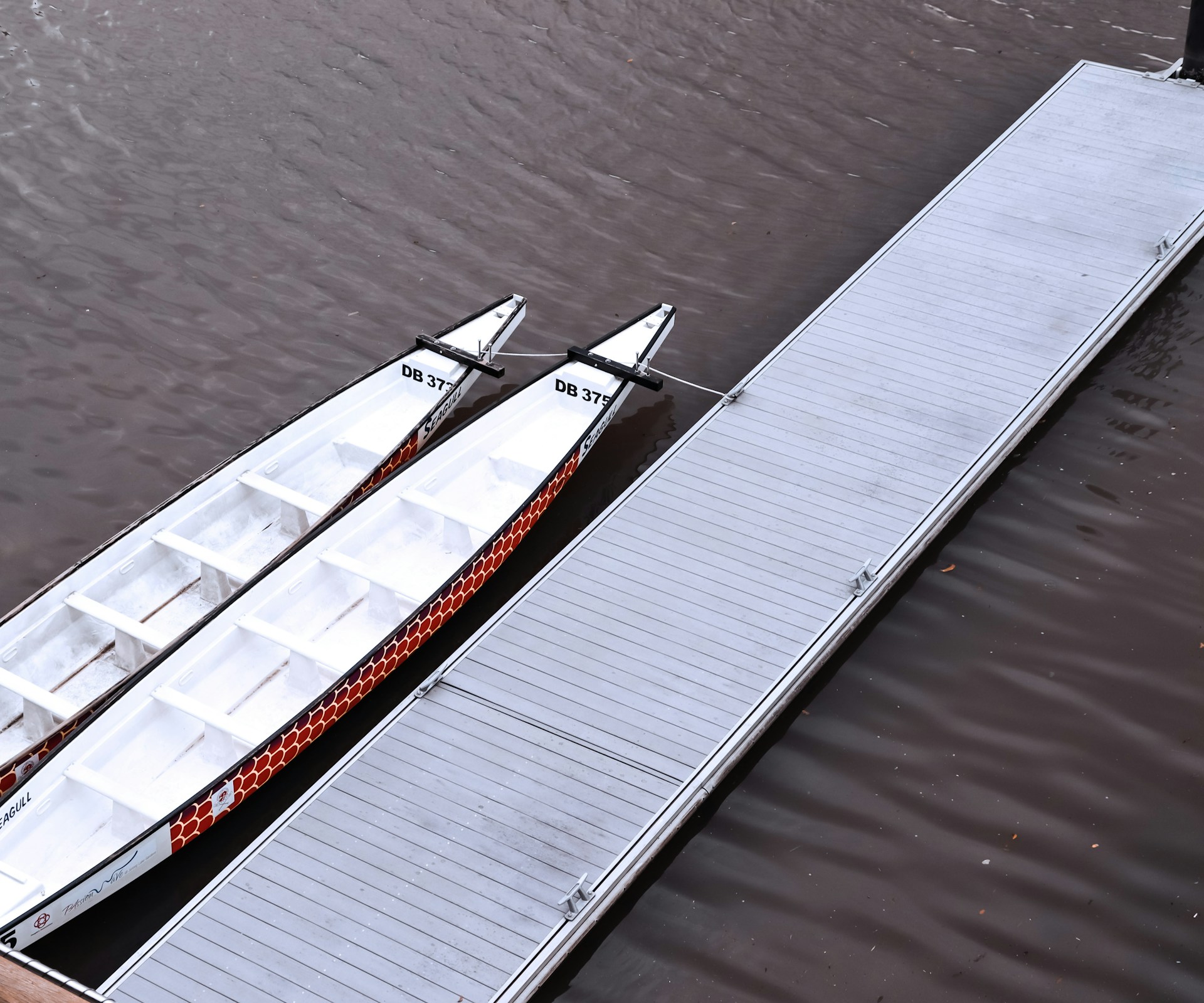
- Traction: Cedar has good natural grip when clean, while many maintenance-free or aluminum surfaces use textured patterns or perforations for traction
- Splinters: Cedar carries a rising splinter risk as it ages, while aluminum and many maintenance-free materials stay smoother over time
- Temperature: Cedar generally runs cooler than dark, solid surfaces but can be comparable to light-colored aluminum panels or lighter maintenance-free options
- Noise: Cedar is quieter underfoot, while aluminum can create more sound from footsteps, chairs, and dropped items
Weight and handling also matter if you move your dock each season. Cedar sections are often lighter than fully framed aluminum panels with heavy composite decking, but specific designs vary by system. Wet towels, sand, and lake mud tend to cling to any textured surface, so easy access for rinsing is key no matter the material.
Long-term cost and value:
Upfront, cedar is often less expensive than high-end aluminum or maintenance-free panels. Over time, though, you are adding:
- Sealers or stains if you choose to use them
- Cleaners for mildew and algae
- Replacement boards here and there in high-traffic zones
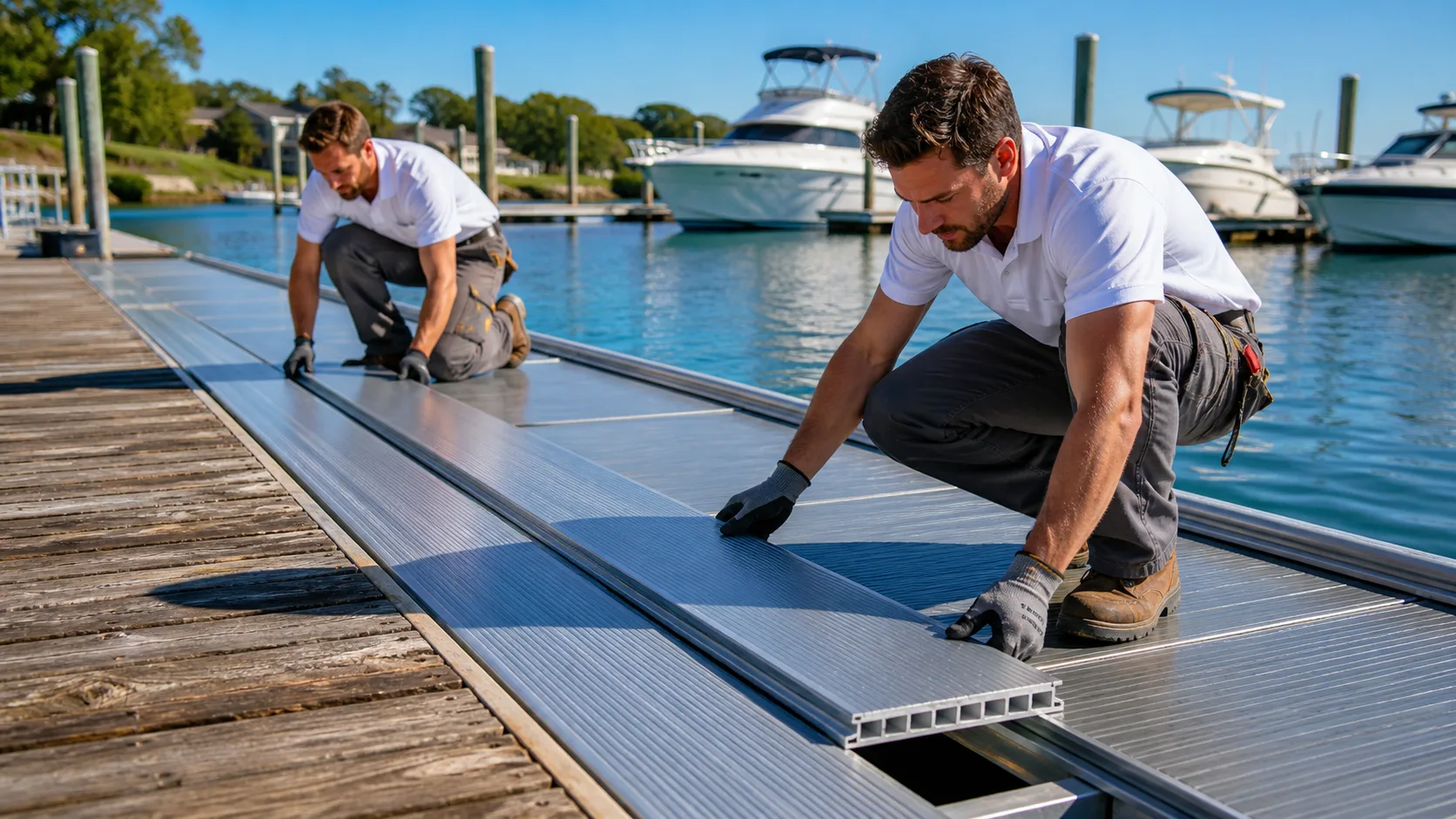
Aluminum or maintenance-free decking can mean fewer surface treatments and less board replacement, which some busy lakefront owners prefer. It helps to think in terms of cost per summer of use instead of only looking at initial material choice.
Aesthetic and design flexibility:
Cedar offers:
- A warm, natural look that fits wooded shorelines and classic cabins
- A soft feel underfoot that many people love
Over time, cedar will gray unless you maintain a finish. Aluminum and maintenance-free panels hold their color more consistently. With the right dock system, you can mix materials, using cedar where traffic is lighter and pairing more durable options in primary swim lanes or around boat lifts and tie-up points.
Matching Cedar Decking to Your Family’s Lifestyle
When cedar is a strong fit:
Cedar dock decking often works well for:
- Families who value natural materials and are comfortable doing or arranging yearly maintenance
- Quieter lakes or protected bays where wave action is calmer
- Docks used more for relaxing, fishing, and casual swims than for constant high-energy sports
If you love the look and feel of real wood, and you are willing to keep an eye on it, cedar can make your dock feel like an extension of your yard or cabin deck.
When to consider alternative decking:
You may want to lean toward aluminum or maintenance-free decking if:
- Your dock sees heavy daily use from large groups all summer
- You have a rental property or shared cabin where long-term, low-maintenance surfaces are a priority
- You have very young kids or active pets and want to lower the chance of splinters and rough spots over many years
Dock system choices that support your goals:
Roll-in, sectional, and floating dock systems all pair differently with cedar and other decking materials. Water depth, bottom conditions, and wave exposure all factor into the best setup.
It often helps to think of your dock as a full swim area plan, including:
- Ladders and steps
- Benches and seating zones
- Bumpers, cleats, and boat lifts
At Vibo Marine in North Branch, Minnesota, we design aluminum docks, boat lifts, and accessories with these real-world choices in mind. Our goal is to help families match cedar and alternative decking options to how they actually use the lake, so their dock feels safe, comfortable, and ready for another full summer of fun.
Get Started With Your Project Today
If you are ready to upgrade your shoreline, explore our cedar dock decking options and see how they fit your property. At Vibo Marine, we listen to your goals, walk you through material choices, and help you design a dock that performs season after season. Reach out through contact us so we can answer your questions and provide a straightforward quote tailored to your project.