What Dock Post Brackets Do for Spring Lake Level Changes
Make Spring Lake Level Swings Easier to Handle
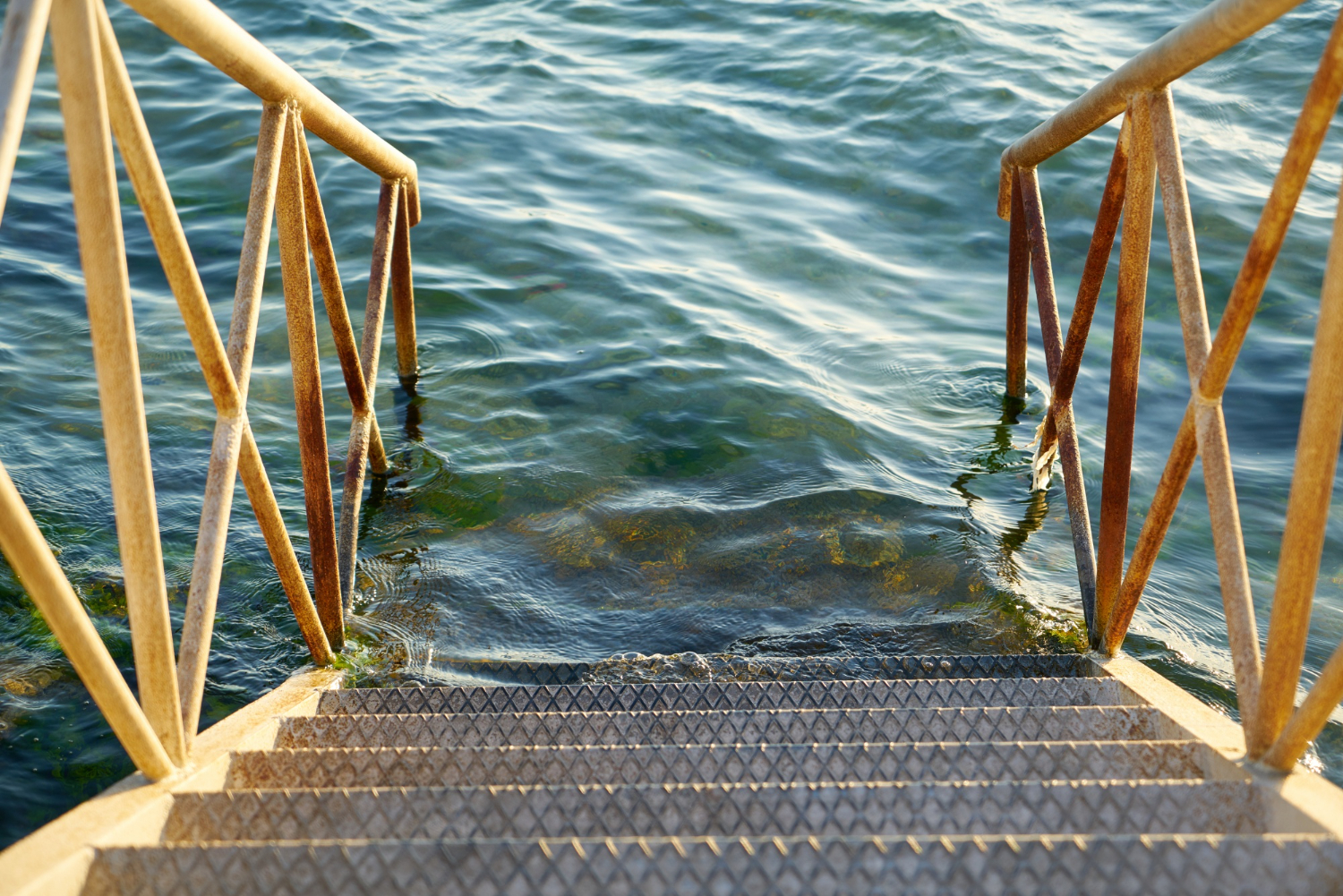
Spring Lake levels do not wait for anyone. Snow melts fast, rain comes in bursts, and wind can push water to one side of the lake, then pull it back again. For many lakefront owners across Minnesota and the Upper Midwest, that means the water under the dock can rise and fall several inches in a short time.
When that happens, a dock that sat level and steady last fall can turn into a wobbly, uneven puzzle. Sections tilt, ramps feel too steep, and gaps open up where everything used to line up. It is annoying, it is unsafe, and it can turn your first weekends at the cabin into work instead of relaxation time.
This is where the right dock post brackets come in. With a good system, those spring level swings become quick, simple tweaks instead of a full rebuild. When dock post brackets are designed into a strong aluminum dock from a factory-direct builder, adjustment day is more about turning a few bolts than wrestling heavy frames in cold water.
How Spring Lake Levels Stress Your Dock System
Spring conditions are tough on docks, even before anyone steps on them. Across our region, we usually see:
- Fast snowmelt that sends a rush of extra water into lakes
- Heavy spring rains that push levels up in a hurry
- Dry stretches or dam changes that let water drop back down
- Early storms that push waves into shore again and again
If your dock does not adjust easily, all that movement shows up in the structure. Posts can sink deeper into soft spring lake bottoms or end up sticking far out of the water as levels fall. When one post moves and another does not, sections twist and no longer sit flat.
That twisting and shifting can lead to:
- Ramps that are too steep to walk comfortably
- Trip spots where boards or sections do not line up
- Extra force at the shore connection point
- Extra strain at every bolt and joint
Those stresses do not just feel bad under your feet. They can create hairline cracks, loosen fasteners, and wear out parts you counted on for many seasons. All of this tends to show up right when families want the dock ready for the first warm, sunny days.
What Dock Post Brackets Actually Do for You
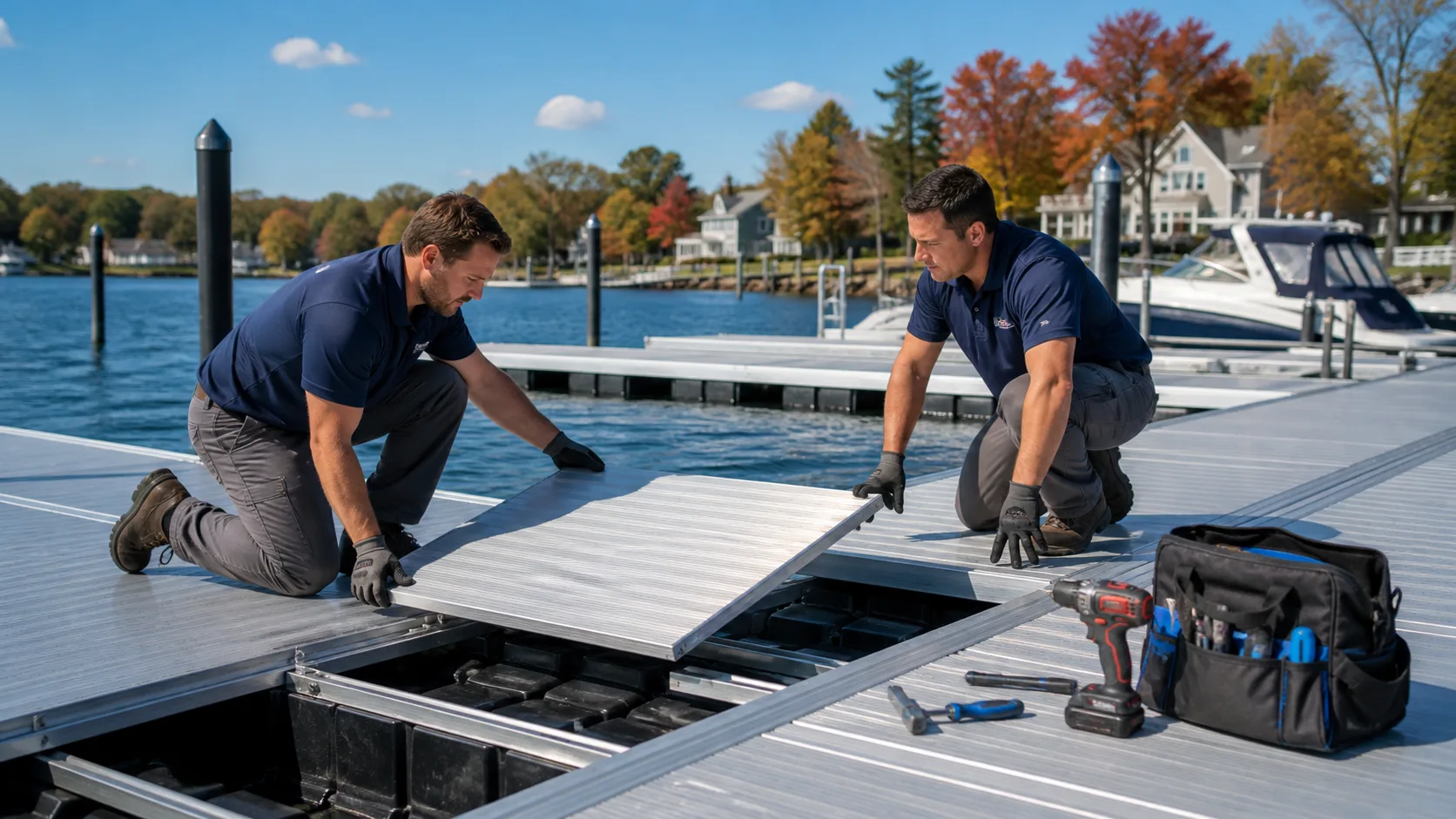
Dock post brackets are simple parts that make a big difference. In plain terms, these are the pieces that connect your vertical dock posts to the frame of the dock. They hold the post solidly, but still let you raise or lower it in a controlled way.
Good dock post brackets handle three important jobs:
- They keep each dock section steady and supported
- They spread the load from feet, gear, and waves into the frame
- They let you adjust height without taking the whole dock apart
With the right brackets in place, spring becomes much easier. After the ice goes out and the lake settles, you can:
- Level each section by turning an adjustment point instead of digging out posts
- Set the overall height once, then fine-tune as water moves a little
- Make tweaks with simple hand tools, often from the dock itself
That means less time standing in icy water, less guesswork with post depth, and a smoother walk from shore to boat. When your brackets do their job, you feel it as a calm, solid dock even while the water is still sorting itself out for the season.
Key Features to Look for in Dock Post Brackets
Not all dock post brackets are the same. Spring conditions are when the differences really show. A few key features matter a lot.
First, strength and material choice are important:
- Heavy-duty aluminum that will not rust in water
- Stainless steel hardware that can handle spring moisture
- Designs that stand up to freeze and thaw cycles
Spring is when debris moves, ice chunks can still be around early, and wave energy hits different angles. Brackets have to handle all of that without bending or breaking down.
Adjustability and ease of use matter just as much. Helpful details include:
- Clear, reachable points where you make height changes
- Locking methods that stay tight once you set them
- Systems one or two people can adjust safely
When the water is cold and footing is not perfect, you want adjustments to be quick and obvious, not a puzzle that takes three different tools.
Compatibility and long life are the next pieces. Before you upgrade brackets, it helps to:
- Match bracket style to your post size and dock frame shape
- Think about how your shoreline changes from early to late season
- Choose parts that will still feel tight and solid after many years of use
A smart investment in dock post brackets can prevent sagging joints, uneven sections, and middle-of-summer repair days, all of which usually start with the pounding and shifting that happens in spring.
How Vibo Marine Brackets Simplify Spring Dock Setup
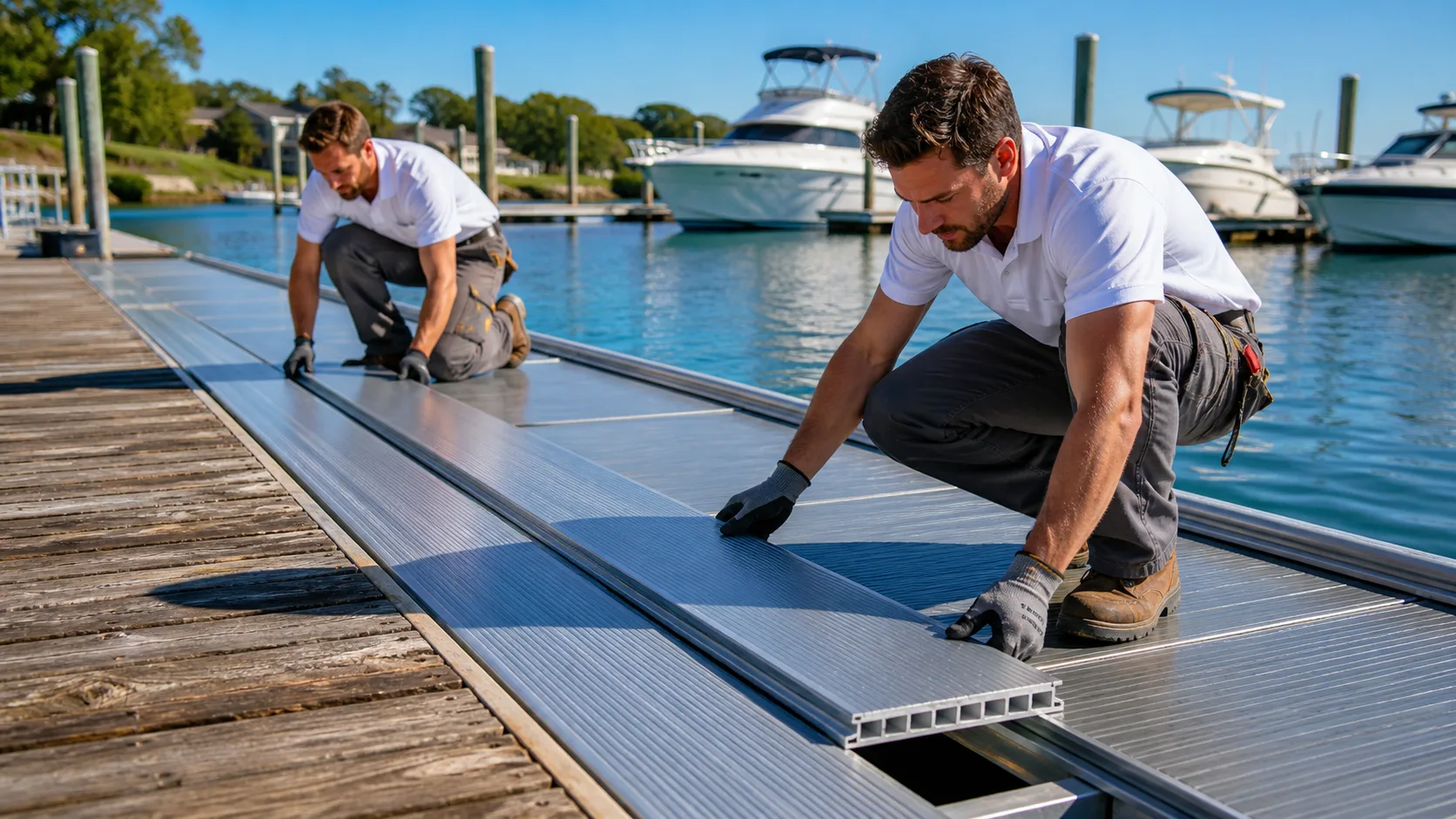
At Vibo Marine, we design our dock post brackets and aluminum frames to work together as a complete system. Because the parts are built to match, seasonal setup becomes a series of straightforward steps instead of a wrestling match with heavy, awkward pieces.
Our approach focuses on:
- Strong, lightweight frames that are easier to move into place
- Brackets that clamp posts securely but still adjust cleanly
- Layouts that help keep a consistent walking height along the shoreline
For many lakefront owners, that means fewer trips into cold water while setting up and leveling the dock. You can get the line of the dock close to perfect on day one, then make small tweaks as the lake level settles without pulling sections back out.
Since we build and ship from North Branch, Minnesota, we live with the same spring patterns you do. That helps us give clear, practical guidance on bracket choices, layout ideas, and accessories that match the way Upper Midwest lakes behave when the snow finally lets go.
Get Your Dock Ready Before Spring Levels Start Moving
The best time to think about dock post brackets is before the water starts bouncing up and down. A simple check late winter or very early spring can save a lot of trouble later. Walk through your dock pieces and look closely at the brackets you already have.
Watch for:
- Corrosion or white powdery spots on aluminum parts
- Bent areas near bolt holes or along clamp edges
- Loose movement where posts should feel snug
- Sections that never seemed to sit right last spring
From there, it helps to measure your current posts and frame, write down where things gave you trouble, and think about any changes you want to make in how your dock sits in the water. With that information in hand, you can talk with the team at Vibo Marine about bracket upgrades or adding new adjustable sections before the lake starts rising.
When spring lake levels begin to move, the right dock post brackets turn a big, messy job into a quick round of fine-tuning. That means less frustration, fewer early-season fixes, and more time to enjoy chairs on the dock, kids on the ladder, and boats coming and going as soon as the water is ready.
Secure Your Dock With Reliable Hardware Today
Choosing the right hardware is key to a dock that stays safe, stable, and easy to maintain season after season. Explore our dock post brackets to find durable, well-designed components that fit your setup and conditions. If you have questions or need help matching parts to your layout, reach out through contact us and we will guide you. At Vibo Marine, we are ready to help you get the most out of every inch of your waterfront.