When Dock Replacement Parts Become a Safety Priority
When Safety Outweighs Another Summer on the Water
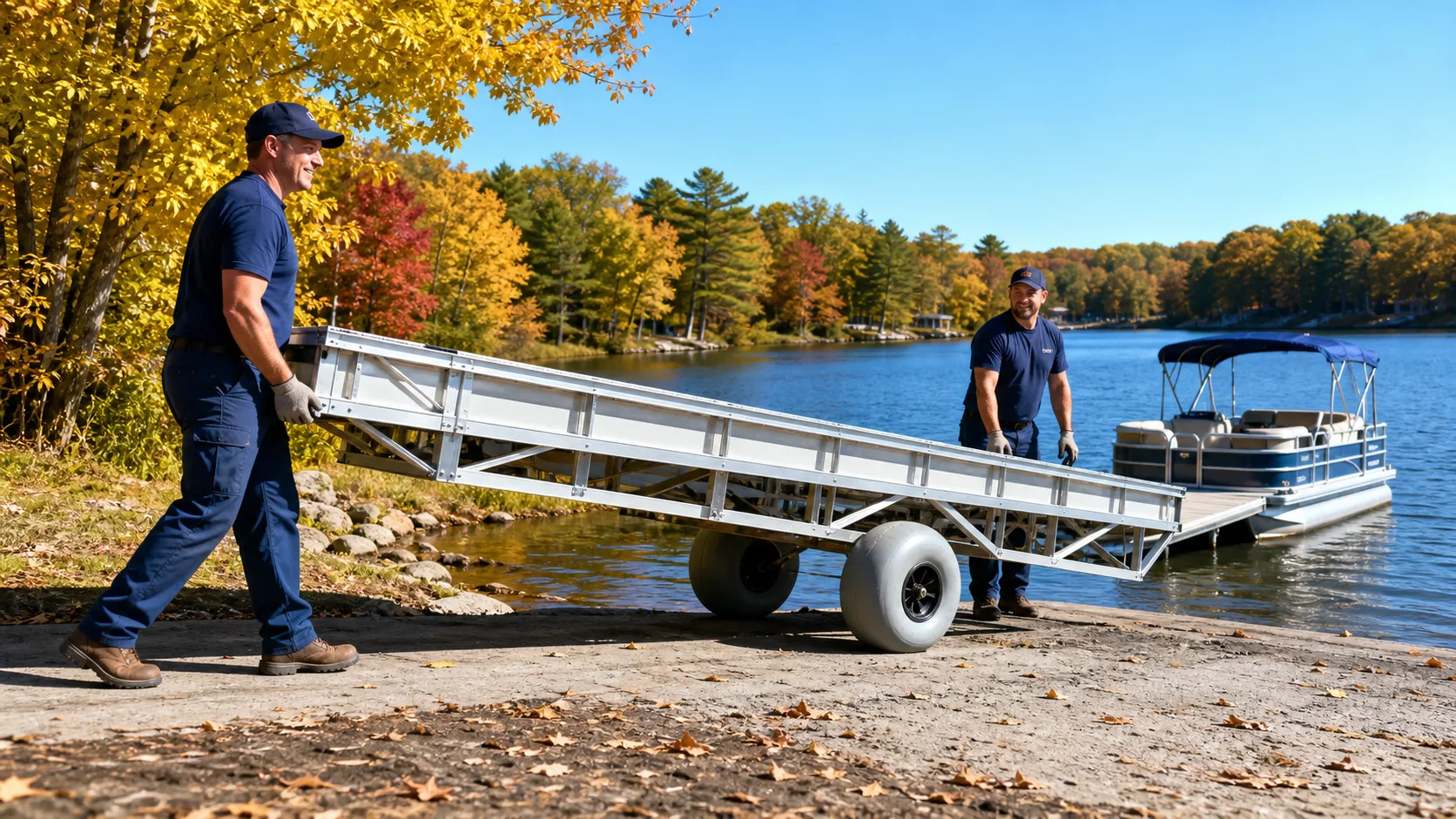
A busy dock in the middle of summer feels like the heart of lake life. Boats are coming and going, kids are jumping off the side, and there is always someone walking back and forth with coolers and gear. With all that activity, your dock is working hard every single day, even if you are not thinking about it.
That is why dock replacement parts are not just a “later” project. A dock is a load-bearing structure sitting in water, taking on waves, wind, and movement. It wears out in predictable ways. In this article, we will walk through the warning signs to watch for, which parts demand fast action, how to inspect your dock before the crowds show up, and when it is time to repair with new parts instead of pushing through another season.
Hidden Dock Risks You Notice Too Late
Most dock problems start small. Many homeowners feel little changes under their feet but shrug them off because everything still “works.” The trouble is, these small changes are often early warning signs.
Subtle signs you might notice include:
- A slight wobble when you walk down a section
- Faint creaks or groans at joints or corners
- Deck boards that flex more than they used to
- Posts that look like they shifted a bit after a storm
There are also clear red flags that should never be ignored:
- Loose or missing bolts, nuts, or brackets
- Bent or twisted frames or legs
- Corroded fasteners or hardware
- Cracked welds at corners or connection points
- Uneven decking or a boat lift that no longer sits level
These problems are easy to brush off when the lake is calling. But think about the times when your dock is under the most stress: a crowd watching fireworks, kids running and jumping at the same time, or a late-night return when everyone is tired and not stepping carefully. Small defects can turn into sudden movement or failure when the dock is loaded with extra weight.
Putting off dock replacement parts until “after the season” can turn those busy weekends into a real safety risk, right when your dock is used the most.
Critical Dock Components That Demand Fast Action
Not every worn part is an emergency, but some components deserve fast attention because they carry the load for everything else.
Key structural elements that should never be ignored:
- Frames and main support rails
- Support posts and legs
- Cross bracing and structural brackets
Corrosion, ice damage, or metal fatigue in these areas can weaken the dock’s backbone. A section might still stand, but it may not handle a heavy load or rough weather the way it should.
High wear parts that often need dock replacement parts include:
- Fasteners and bolts
- Hinges between sections
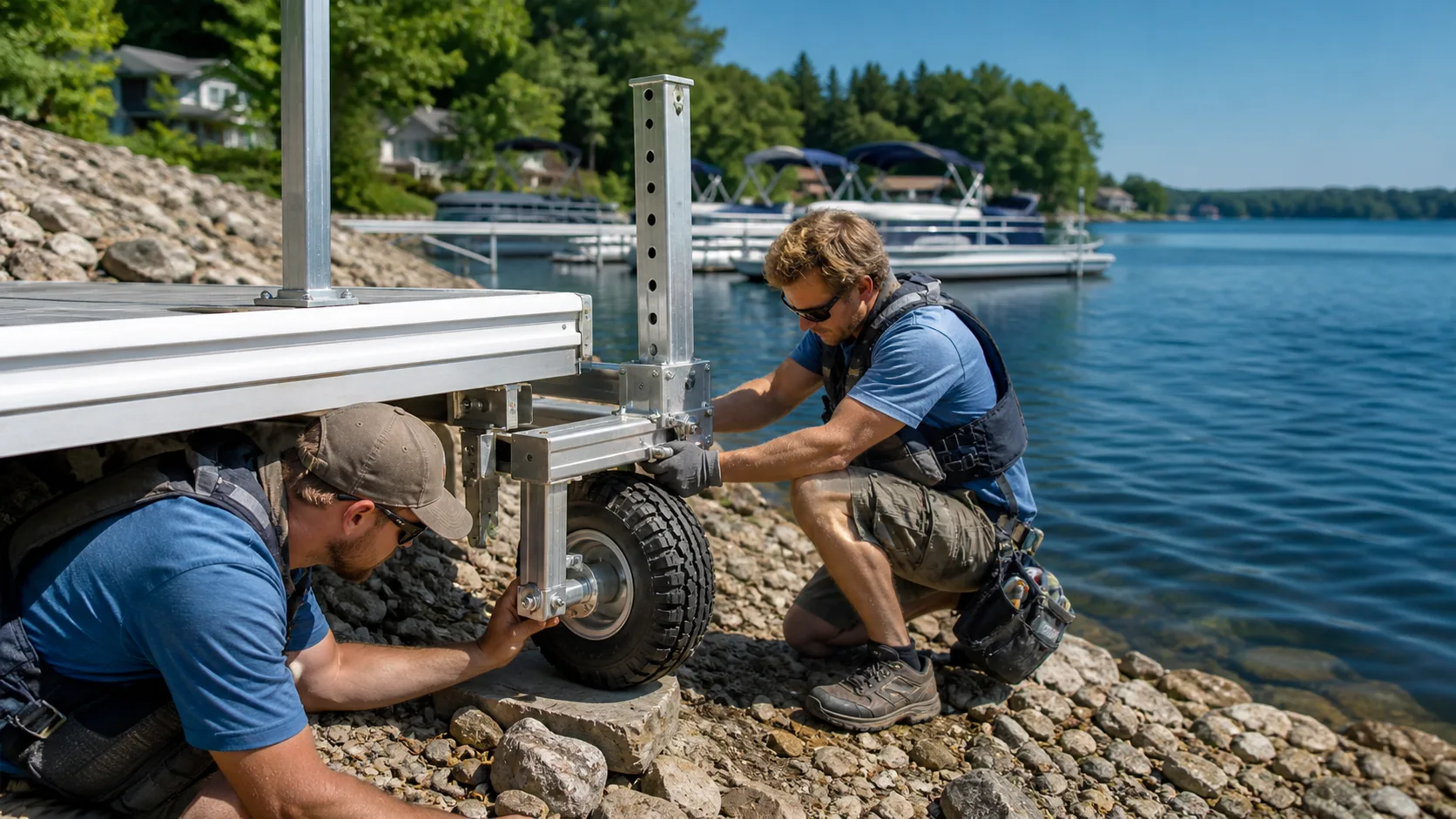
- Leg pockets and foot plates
- Leveling systems and adjustment hardware
When these parts fail, the result can be a sudden shift, tilt, or partial collapse, even if the main frame is still in decent shape.
Do not forget the safety role of:
- Decking, especially if it is warped, cracked, or slick
- Ladders, where bent rungs or loose mounts can cause slips
- Handrails, which must feel solid when someone grabs on hard
Worn or slippery surfaces are especially risky when the dock is wet or used at night. Quality aluminum dock replacement parts that match your system can bring your dock back to its original feel, reduce repeat problems, and keep everything fitting together the way it was designed.
How to Inspect Your Dock Before Mid-Summer Crowds
A short, focused inspection in early or mid-summer can catch many problems before they show up during a busy weekend. You do not have to take anything apart to spot most issues.
Start with a visual check from shore:
- Look for sections that sag or tilt
- Compare leg heights to see if one corner is sinking
- Scan for bent posts, braces, or frames
Next, take a slow walk down the dock. Move your weight from side to side and front to back. Feel for:
- Movement at joints between sections
- Swaying when you step near the edge
- Spots where boards feel soft, spongy, or extra springy
If it is safe and the water is clear enough, look under the dock:
- Check legs for uneven depth, which can happen as water levels change
- Look for rust or white aluminum oxidation on metal parts
- Watch for hairline cracks around welds or connections
Your boat lift and accessories need attention too. Check:
- Lift cables and pulleys for wear or fraying
- Bunks, guides, and stops to make sure they are straight and firmly attached
- Any moving parts, like pivot points and winches, for smooth operation
As you go, take quick photos and simple notes on your phone. Mark which section has the problem, which leg, or which corner. That record makes it much easier to match trouble spots with the right dock replacement parts later, especially when you are working with a manufacturer for guidance.
Repair or Replace Parts Versus a Full New Dock
Once you know what is going on with your dock, the next question is how big the fix should be. Many docks do not need a full replacement. In a lot of cases, targeted dock replacement parts are the smart move, especially when:
- The main frame and legs are still solid
- Problems are limited to hardware, decking, or a few damaged pieces
- Previous seasons have not left widespread corrosion or bending
On the other hand, a more extensive update or full dock replacement may be safer and more practical when:
- Corrosion or damage shows up across many sections
- You see the same failures come back every season
- Old repairs are mismatched, twisted, or hard to keep aligned
- The dock no longer handles how your family uses it, like more guests or a bigger boat
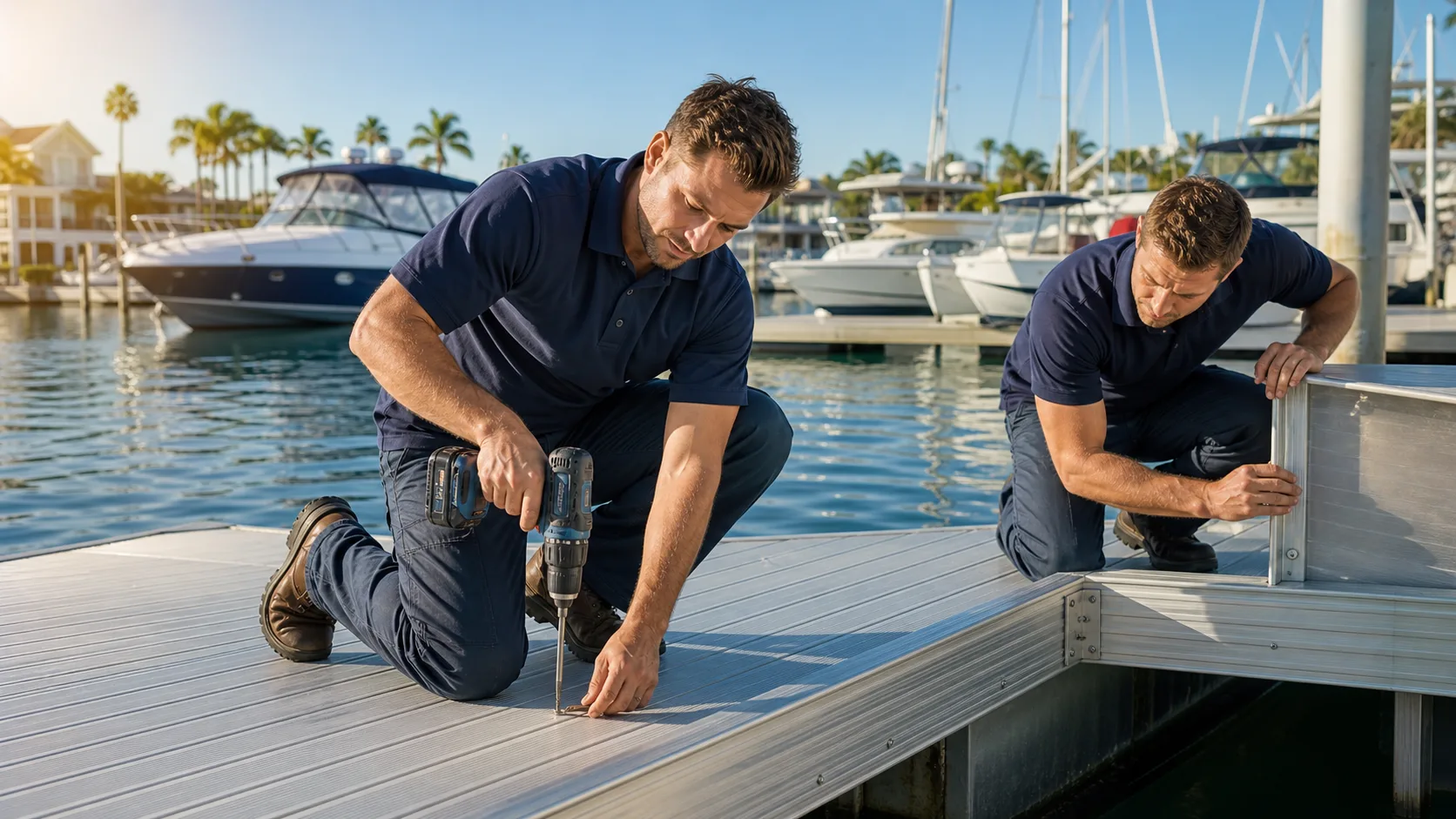
Modular aluminum systems are helpful here. With a modular design, sections, legs, and accessories are built to be swapped out. That means you can replace only the parts that are worn, keep the good pieces, and slowly update your setup over time instead of rebuilding everything at once.
Planning ahead is key. A quick mid-season safety check lets you handle high-risk problems now. Then you can plan bigger upgrades during the off-season, spreading out the work and avoiding rushed, emergency fixes after a failure.
Choosing Safer Dock Parts for Years of Lake Fun
When it is time to order dock replacement parts, the quality of the materials and design matters for safety and for how long the repair will last. Marine-grade aluminum, strong welds, and well-engineered connections hold up better to ice, changing water levels, and the kind of weather we see across Minnesota lake country.
To keep your dock performing the way it should, focus on:
- Parts that are designed for marine use, not general hardware
- Components that match your dock’s brand and style
- Correct sizes and configurations so everything lines up cleanly
Matching the right part to your dock is not always simple. That is where factory-direct support from a dock manufacturer like Vibo Marine can help. We design and build aluminum docks, boat lifts, and accessories, and we work directly with lakefront owners to identify what they truly need. Clear instructions and systems made for easy assembly mean you do not have to be a pro to keep your dock in safe working shape.
Before your next big weekend on the water, take a little time to walk your dock, make a short list of concerns, and decide which dock replacement parts should come first. A few smart fixes now can protect your family, your guests, and your peace of mind for many summers to come.
Get Started With Your Project Today
If your dock is showing signs of wear, Vibo Marine is ready to help you upgrade it with quality dock replacement parts that fit and last. We can walk you through the best options for your layout, water conditions, and long-term plans so you get the most value from every component. Reach out to our team with your questions or project details through our contact page, and we will help you move from ideas to a clear plan.